





























Cape Verde and India Identify Fisheries as a New Frontier for Strategic Cooperation in the Atlantic
Cooperation between Cape Verde and India could take on a new dimension through the fisheries sector, with opportunities in the areas of technology, sustainability, training, and the sustainable use of marine resources. The Cape Verdean archipelago is emerging as a strategic partner for India in an area considered essential to the future of the blue economy.
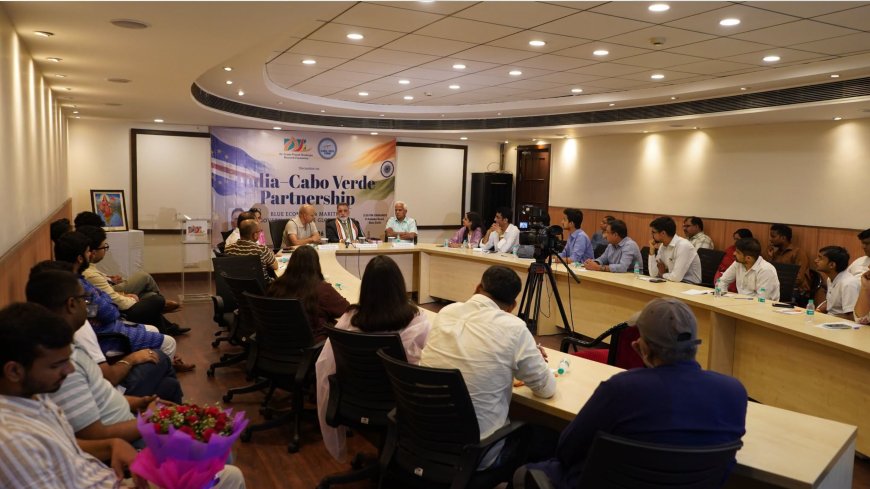
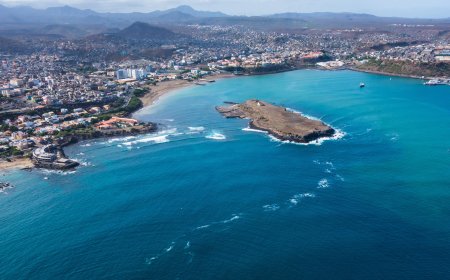
Cape Verde could transform its vast maritime space into one of the main platforms for cooperation with India, using fisheries as a starting point for a new strategic partnership between the two countries.
An article published by GovInsider highlights that the fisheries sector could be the “first frontier” of cooperation between Cape Verde and India, at a time when the two countries are seeking to deepen relations in areas related to the ocean, technological innovation, and sustainable development.
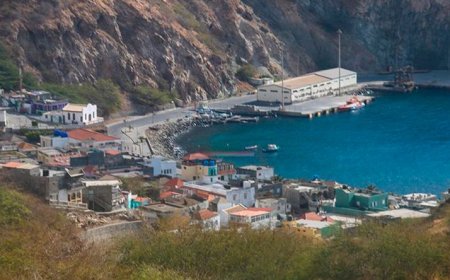
For Cape Verde, a small island nation with one of the largest exclusive economic zones in West Africa, strengthening capacities in the maritime sector represents an opportunity to increase the economic value of its natural resources, improve fisheries management, and create new opportunities for coastal communities.
India, for its part, has one of the world’s largest fishing industries and expertise in areas such as aquaculture, fish processing, maritime monitoring, and the use of technology applied to ocean management. Cooperation could include knowledge sharing, technical capacity building, and digital solutions to improve the efficiency and sustainability of Cape Verdean fisheries.
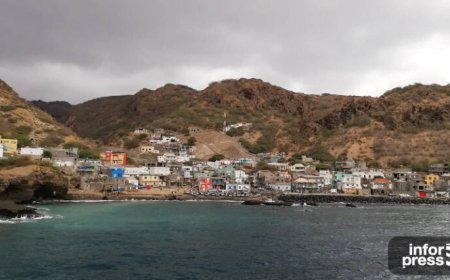
The fisheries sector is of strategic importance to Cape Verde, not only because of its economic impact but also because of the role it plays in food security and in providing a livelihood for thousands of families in coastal communities.
In recent years, the country has stepped up its commitment to more sustainable management of marine resources, including measures to combat illegal, unreported, and unregulated fishing, as well as strengthening monitoring and control systems.
Cape Verde has also developed international partnerships to modernize the sector. The fisheries agreement with the European Union, for example, includes financial support for the sustainable development of fisheries, improved enforcement, scientific research, and support for fishing communities.
A potential partnership with India could allow Cape Verde to benefit from technologies used in modern ocean management, including vessel tracking systems, fisheries data analysis, and methods for fish conservation and processing.
The goal would be to transition from an economy based primarily on resource harvesting to a more comprehensive value chain, where Cape Verdean fish can generate greater revenue through processing, export, and the creation of skilled jobs.
The partnership could also strengthen Cape Verde’s position as a leading country in the so-called Blue Economy, leveraging its strategic location in the Atlantic between Africa, Europe, and the Americas.
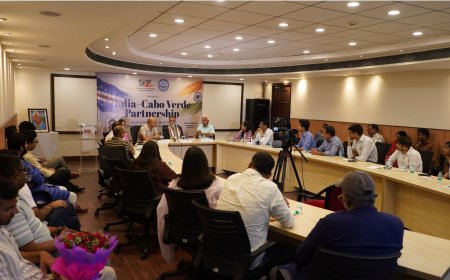
Although Cape Verde and India have maintained diplomatic relations for decades, economic cooperation between the two countries still has room to grow. The maritime sector is now emerging as an area where the interests of the two countries can converge.
For Cape Verde, the priority will be to ensure that any new partnership contributes to national development by strengthening local fishermen, protecting marine resources, and creating greater value within the country.
Fishing could thus become not only a traditional activity but also a gateway to a new phase of innovation and international cooperation led by Cape Verde in the Atlantic.